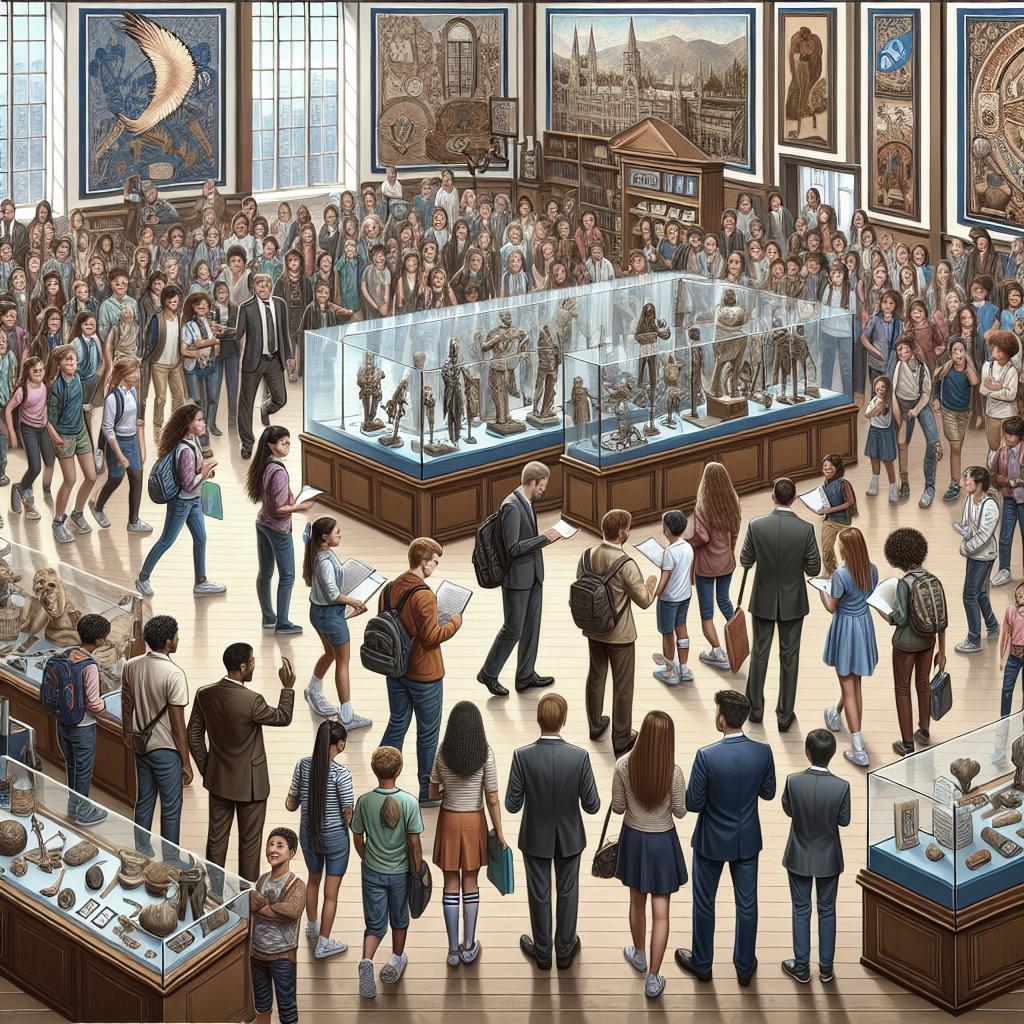
Exploring the world’s best architecture museums provides an enriching experience that goes beyond mere aesthetics. These museums are not only treasure troves of art and history but also architectural marvels themselves, showcasing innovative designs, cultural narratives, and contemporary expressions of art and space. This blog post will take you on a virtual tour of some of the most fascinating architecture museums around the globe. From the rich heritage of the Azerbaijan Carpet Museum to the cutting-edge design of the Centre Pompidou, each museum stands as a testament to the symbiotic relationship between art and architecture. So, whether you’re an architecture enthusiast, an art lover, or a curious traveler, this comprehensive guide will offer insights into the unique charm and significance of these extraordinary spaces.
Azerbaijan Carpet Museum
The Azerbaijan Carpet Museum, located in the capital city of Baku, is an architectural gem dedicated to the rich history and artistry of Azerbaijani carpet weaving. Designed by the Austrian architect Franz Janz, the building itself is shaped like a rolling carpet, capturing the essence of the museum’s unique theme. Inside, the museum houses an extensive collection of traditional and contemporary Azerbaijani carpets, showcasing the meticulous craftsmanship and intricate designs that have made these carpets renowned worldwide. Beyond its impressive collection, the Azerbaijan Carpet Museum also features interactive exhibits that provide visitors with an immersive learning experience. Workshops and demonstrations offer insights into the traditional techniques of carpet weaving, allowing guests to appreciate the cultural significance and artistry of this ancient craft.
Jan Shrem and Maria Manetti Shrem Museum of Art at University of California, Davis
The Jan Shrem and Maria Manetti Shrem Museum of Art, located on the campus of the University of California, Davis, is a modern architectural masterpiece. Designed by So – Il and Bohlin Cywinski Jackson, the museum is notable for its open, airy design and innovative use of materials. The building features a distinctive perforated canopy that provides shade while allowing natural light to filter through, creating a dynamic interplay of light and shadow within the museum spaces. The museum’s collection includes contemporary works by emerging and established artists, as well as a robust program of rotating exhibitions. The Jan Shrem and Maria Manetti Shrem Museum of Art is not just a place to view art; it’s a community hub that fosters artistic exploration, dialogue, and engagement.
Zeitz Museum of Contemporary African Art
Located in Cape Town, South Africa, the Zeitz Museum of Contemporary African Art (MOCAA) is the largest museum of contemporary African art on the continent. Housed in a transformed grain silo complex, the museum was designed by the renowned architect Thomas Heatherwick. The impressive architecture combines the old and new, with the historical industrial structure juxtaposed against modern design elements. The Zeitz MOCAA features a vast array of artworks from across Africa and its diaspora, celebrating the diversity and richness of contemporary African art. The museum’s striking atrium, carved out from the silos, provides a dramatic space for showcasing large-scale installations and sculptures. Through its innovative design and curatorial approach, the Zeitz MOCAA has become a significant cultural institution, fostering an appreciation for contemporary African creativity.
21st Century Museum of Contemporary Art, Kanazawa
In Kanazawa, Japan, the 21st Century Museum of Contemporary Art is renowned for its circular design and glass walls, allowing for transparency and integration with the surrounding urban landscape. Designed by the architectural firm SANAA, the museum’s layout is meant to facilitate an open, fluid experience where visitors can move freely between indoor and outdoor spaces. The museum’s collection features contemporary art from around the world, with a focus on works that challenge traditional boundaries and encourage interactive engagement. One of the museum’s standout installations is “The Swimming Pool” by artist Leandro Erlich, a playful and thought-provoking piece that blurs the line between reality and illusion.
Odunpazari Modern Art Museum
The Odunpazari Modern Art Museum (OMM) is a striking addition to the city of Eskişehir, Turkey. Designed by the acclaimed Japanese architect Kengo Kuma, the museum’s architecture draws inspiration from the historic wooden houses of the Odunpazari district. The building’s unique design features stacked timber boxes, creating a sense of movement and fluidity. OMM’s collection includes a diverse range of modern and contemporary artworks, with a particular emphasis on Turkish artists. The museum aims to be a dynamic cultural center, hosting exhibitions, workshops, and educational programs that engage the local community and visitors alike.
Museo Tamayo
Museo Tamayo, located in Mexico City, is dedicated to the work of the renowned Mexican artist Rufino Tamayo, as well as promoting contemporary art. The museum’s architecture, designed by Teodoro González de León and Abraham Zabludovsky, is a masterpiece of modernist design. The building’s concrete structure and geometric forms create a sense of harmony and balance, while the skylights and windows fill the interior with natural light. The museum’s collection includes a significant number of Tamayo’s works, as well as pieces by international contemporary artists. Museo Tamayo is a dynamic institution that fosters cultural exchange and artistic innovation through its exhibitions, educational programs, and public events.
Louvre Abu Dhabi
Located on Saadiyat Island in the United Arab Emirates, the Louvre Abu Dhabi is a stunning example of modern architecture and cultural collaboration. Designed by the French architect Jean Nouvel, the museum’s design is inspired by traditional Arabic architecture, with a modern twist. The building’s most distinctive feature is its vast dome, which creates a “rain of light” effect as sunlight filters through its perforations. The Louvre Abu Dhabi’s collection spans art and artifacts from across the globe, emphasizing the interconnectedness of human cultures. The museum aims to foster a deeper understanding of cultural heritage and promote cross-cultural dialogue through its diverse exhibitions and programming.
National Museum of Modern and Contemporary Art
The National Museum of Modern and Contemporary Art (MMCA) in Seoul, South Korea, is a leading institution for contemporary art in Asia. The museum’s architecture, designed by Mihn Hyun-jun, blends seamlessly with its natural surroundings. The building features a minimalist design with large glass windows that offer stunning views of the nearby mountains and gardens. MMCA’s collection includes works by prominent Korean and international artists, showcasing a wide range of media and styles. The museum is committed to fostering artistic innovation and cultural exchange through its exhibitions, artist residencies, and educational programs.
MAXXI
The MAXXI, or the National Museum of 21st Century Arts, is located in Rome, Italy. Designed by the late Zaha Hadid, the museum is a striking example of contemporary architecture. The building’s fluid, curvilinear forms create a dynamic and engaging space, blurring the boundaries between architecture and art. MAXXI’s collection focuses on contemporary art and architecture, featuring works by both emerging and established artists. The museum also hosts a variety of temporary exhibitions, performances, and educational programs, making it a vibrant cultural hub in the heart of Rome.
Kunst Haus Vienna
The Kunst Haus Vienna, designed by the Austrian artist and architect Friedensreich Hundertwasser, is a whimsical and colorful building that stands out in the cityscape. The building’s undulating floors, irregular windows, and vibrant mosaic facade reflect Hundertwasser’s unique, eco-friendly design philosophy. The museum houses a permanent collection of Hundertwasser’s works, showcasing his innovative approach to art and architecture. The Kunst Haus Vienna also hosts temporary exhibitions by contemporary artists, promoting a diverse range of artistic expressions.
Teshima Art Museum
Situated on the scenic Teshima Island in Japan’s Seto Inland Sea, the Teshima Art Museum is a harmonious blend of art, architecture, and nature. Designed by architect Ryue Nishizawa and artist Rei Naito, the museum consists of a single, teardrop-shaped concrete shell that seamlessly integrates with the surrounding landscape. Inside, the museum features a single installation, “Matrix” by Rei Naito, which creates an immersive and meditative experience. The Teshima Art Museum is a testament to the power of simplicity and the connection between human creativity and the natural world.
Neue Staatsgalerie
The Neue Staatsgalerie in Stuttgart, Germany, is a landmark of postmodern architecture. Designed by James Stirling, the building is characterized by its bold forms, vibrant colors, and playful use of classical architectural elements. The museum’s design creates a dynamic and engaging space that challenges traditional notions of museum architecture. The Neue Staatsgalerie’s collection includes works from the 14th century to the present day, with a particular emphasis on modern and contemporary art. The museum’s innovative design and diverse collection make it a must-visit destination for art and architecture enthusiasts.
Yale Center for British Art
The Yale Center for British Art in New Haven, Connecticut, is home to the largest collection of British art outside the United Kingdom. Designed by the legendary architect Louis Kahn, the building is a masterpiece of modernist architecture. Kahn’s design features a striking blend of natural materials, geometric forms, and carefully considered lighting. The center’s collection includes works by renowned British artists, spanning from the Elizabethan period to the contemporary era. In addition to its permanent collection, the museum hosts a variety of temporary exhibitions and public programs, fostering a deeper understanding of British art and culture.
Guggenheim Bilbao
The Guggenheim Museum in Bilbao, Spain, is one of the most iconic examples of contemporary architecture. Designed by Frank Gehry, the museum’s undulating titanium-clad facade has become a symbol of modern architectural innovation. The building’s organic forms and dynamic spaces create a unique and immersive experience for visitors. The Guggenheim Bilbao’s collection includes contemporary works by artists from around the world, as well as site-specific installations that interact with the museum’s architecture. The museum has played a significant role in revitalizing the city of Bilbao and continues to be a major cultural destination.
Louvre
The Louvre in Paris, France, is one of the most famous and visited museums in the world. Housed in the historic Louvre Palace, the museum’s architecture is a blend of medieval, Renaissance, and modern elements. The iconic glass pyramid entrance, designed by I. M. Pei, has become a symbol of the museum’s harmonious integration of tradition and modernity. The Louvre’s vast collection spans from ancient civilizations to contemporary art, with masterpieces such as the Mona Lisa and the Venus de Milo. The museum’s rich history, architectural beauty, and unparalleled collection make it a must-visit destination for art lovers.
Museu de Arte de São Paulo
The Museu de Arte de São Paulo (MASP), located in São Paulo, Brazil, is renowned for its innovative architecture and impressive collection of art. Designed by the Italian-Brazilian architect Lina Bo Bardi, the building features a striking concrete and glass structure suspended on red pillars. The museum’s collection includes works by both Brazilian and international artists, spanning various periods and styles. MASP’s unique design and forward-thinking curatorial approach make it a leading institution in the contemporary art world.
Tank Shanghai
Tank Shanghai is a contemporary art center located in the West Bund area of Shanghai, China. The museum is housed in a series of repurposed oil tanks, transformed by the architect Li Hu of OPEN Architecture. The industrial structures have been reimagined into dynamic exhibition spaces, creating a unique and immersive environment for showcasing contemporary art. Tank Shanghai’s programming includes a diverse range of exhibitions, performances, and public events, fostering a vibrant cultural dialogue. The museum’s innovative use of space and commitment to contemporary artistic practices make it a standout destination in Shanghai’s art scene.
Neue Nationalgalerie
The Neue Nationalgalerie in Berlin, Germany, is an iconic example of modernist architecture. Designed by Ludwig Mies van der Rohe, the museum features a minimalist, open-plan design with a striking glass facade. The building’s clean lines and functional elegance reflect Mies van der Rohe’s architectural philosophy. The museum’s collection focuses on 20th-century art, including works by prominent modern and contemporary artists. The Neue Nationalgalerie’s architectural significance and diverse collection make it a key cultural institution in Berlin.
Chichu Art Museum
The Chichu Art Museum on Naoshima Island in Japan is a stunning example of minimalist architecture. Designed by Tadao Ando, the museum is built mostly underground to harmonize with the island’s natural landscape. The building’s concrete walls, geometric forms, and natural lighting create a serene and contemplative environment. The museum’s collection includes works by Claude Monet, James Turrell, and Walter De Maria, among others. The Chichu Art Museum is a unique space where art, architecture, and nature converge, offering visitors a truly immersive experience.
Museum für Moderne Kunst
The Museum für Moderne Kunst (MMK) in Frankfurt, Germany, is a leading institution for contemporary art. Designed by the Austrian architect Hans Hollein, the museum’s distinctive triangular design has earned it the nickname “The Piece of Cake.” The building’s unique form creates a dynamic interior space, with varied levels and perspectives. The MMK’s collection includes a wide range of contemporary artworks, with a particular emphasis on works from the 1960s to the present. The museum’s innovative architecture and commitment to contemporary art make it a key cultural destination in Frankfurt.
Sainsbury Wing, National Gallery
The Sainsbury Wing of the National Gallery in London, England, is an architectural masterpiece designed by Robert Venturi and Denise Scott Brown. The building’s postmodern design features a blend of classical and contemporary elements, creating a harmonious addition to the historic National Gallery. The Sainsbury Wing houses the National Gallery’s impressive collection of early Renaissance paintings, providing a fitting setting for these masterpieces. The building’s thoughtful design and exceptional collection make it a notable highlight of the National Gallery.
Guggenheim Museum
The Guggenheim Museum in New York City, designed by the legendary architect Frank Lloyd Wright, is an icon of modern architecture. The building’s unique spiral design and open gallery spaces create a fluid and dynamic environment for viewing art. Wright’s innovative use of space and light has made the Guggenheim a landmark in both architecture and contemporary art. The museum’s collection includes works by some of the most influential artists of the 20th and 21st centuries, as well as an ever-changing program of temporary exhibitions. The Guggenheim’s architectural brilliance and diverse collection make it a must-visit destination for art and architecture enthusiasts.
National Museum of African American History and Culture
Located on the National Mall in Washington, D.C., the National Museum of African American History and Culture (NMAAHC) is a powerful testament to African American history and culture. Designed by the architectural team of Freelon Adjaye Bond/SmithGroup, the building’s distinctive design features a three-tiered corona inspired by the Yoruban art of West Africa. The museum’s collection includes a vast array of artifacts, artworks, and exhibits that chronicle the rich history and contributions of African Americans. The NMAAHC provides a profound and immersive experience, fostering a deeper understanding of the African American experience and its impact on American history.
Niterói Contemporary Art Museum
The Niterói Contemporary Art Museum (MAC) in Rio de Janeiro, Brazil, is a striking example of futuristic architecture. Designed by the celebrated Brazilian architect Oscar Niemeyer, the museum’s distinctive flying saucer-like structure juts out over Guanabara Bay, offering breathtaking views of the surrounding landscape. The MAC’s collection focuses on contemporary Brazilian art, with an emphasis on works that engage with social and political themes. The museum’s bold architecture and innovative curatorial approach make it a captivating destination for art and architecture enthusiasts.
Centre Pompidou
The Centre Pompidou in Paris, France, is one of the most iconic examples of high-tech architecture. Designed by the architectural duo of Richard Rogers and Renzo Piano, the building’s exposed structural elements and vibrant color scheme create a sense of transparency and openness. The museum’s radical design has made it a landmark in contemporary architecture. The Centre Pompidou houses one of the largest collections of modern and contemporary art in Europe, with works by artists such as Picasso, Kandinsky, and Miró. The museum’s innovative architecture and world-class collection make it a must-visit destination for art lovers. ### Final Thoughts “`html
| Museum | Location | Designer/Architect | Special Features |
|---|---|---|---|
| Azerbaijan Carpet Museum | Baku, Azerbaijan | Franz Janz | Building shaped like a rolling carpet |
| Jan Shrem and Maria Manetti Shrem Museum of Art | Davis, USA | So – Il and Bohlin Cywinski Jackson | Perforated canopy providing dynamic light |
| Zeitz Museum of Contemporary African Art | Cape Town, South Africa | Thomas Heatherwick | Repurposed grain silo complex |
| 21st Century Museum of Contemporary Art | Kanazawa, Japan | SANAA | Circular design with glass walls |
| Odunpazari Modern Art Museum | Eskişehir, Turkey | Kengo Kuma | Stacked timber boxes |
| Museo Tamayo | Mexico City, Mexico | Teodoro González de León and Abraham Zabludovsky | Geometric concrete structure |
| Louvre Abu Dhabi | Abu Dhabi, UAE | Jean Nouvel | Vast dome creating “rain of light” |
| National Museum of Modern and Contemporary Art | Seoul, South Korea | Mihn Hyun-jun | Minimalist design with large glass windows |
| MAXXI | Rome, Italy | Zaha Hadid | Fluid, curvilinear forms |
| Kunst Haus Vienna | Vienna, Austria | Friedensreich Hundertwasser | Whimsical and colorful design |
| Teshima Art Museum |