
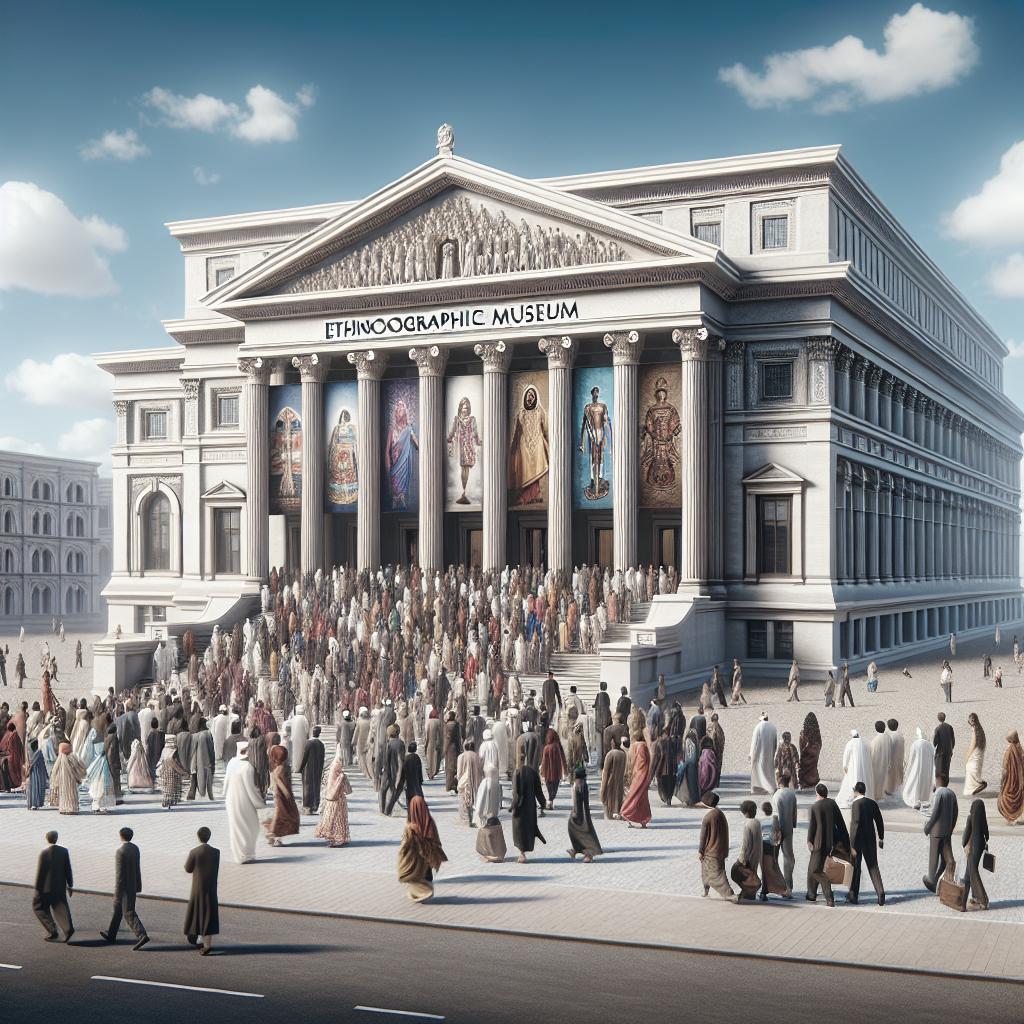
Ethnographic museums are windows into the diverse ways of life of peoples and cultures from around the world. These institutions house artifacts, art, and everyday objects that tell the stories of human societies, their beliefs, practices, and social structures. This blog post explores the types of exhibits found in ethnographic museums, the debate around the representation of empires, the contextualization of folk art, and how individual artists can impact cultural portrayal. Discover the importance of these museums in preserving heritage and fostering multicultural understanding.
Learn about this topic in these articles:
Exhibits
Ethnographic museum exhibits are more than just displays of artifacts; they are curated experiences that educate visitors on the intricacies of different cultures. These exhibits often include traditional clothing, tools, musical instruments, and art forms. Each item is accompanied by detailed descriptions and sometimes interactive elements to provide deeper insight into the cultural and historical context.
An example of a compelling exhibit might be a display on the traditional weaving techniques of the Andean people. Not only would it showcase the vibrant textiles, but it would also explain the symbolic meanings behind the patterns and colors used. Such exhibits help bridge the gap between past and present, offering a tangible connection to the ways of life of other societies.
Tate Britain Finally Gets Round to Tackling the Subject of Empire
The subject of empire and its representation in ethnographic museums is complex and often controversial. Tate Britain’s recent exhibition on this theme marks a significant step in addressing the colonial histories intertwined with many ethnographic collections. The exhibition critically examines how British colonialism influenced the acquisition and presentation of artifacts from various parts of the empire.
This approach does not merely display objects but interrogates their origins and the power dynamics involved in their collection. Through such exhibits, museums can offer a more honest and inclusive narrative that acknowledges the impacts of empire on global cultures. It’s a crucial step towards decolonizing museum spaces and promoting a more balanced and respectful representation of all peoples.
Folk Art and ‘Civilisation’: The Question of Art in Context
Folk art is a significant component of ethnographic collections. These works, usually created by local artisans, reflect the everyday life and values of a community. However, presenting folk art in museums raises questions about context and civilization. Often, what is considered ‘art’ in one culture might be seen as mere ‘craft’ in another, leading to misrepresentation or undervaluation of folk traditions.
Ethnographic museums strive to present folk art as an integral part of the cultural narrative rather than isolating it from its societal context. By highlighting the skill, creativity, and cultural importance embedded in these works, museums can elevate the appreciation of folk art and challenge the hierarchy that often places Western art forms at the pinnacle of cultural achievement.
How Lempad Changed the Course of Art in Bali
The story of Lempad, a Balinese artist whose work transformed the artistic landscape of the island, underscores the impact individuals can have on cultural expression. His unique style and approach to traditional Balinese art brought international attention and appreciation, significantly influencing how Balinese culture is perceived globally.
By featuring artists like Lempad, ethnographic museums highlight the dynamic nature of cultural traditions and their ability to evolve over time. These narratives illustrate that cultures are not static but are continuously shaped by creative individuals who navigate between preserving heritage and embracing innovation.
Share
Consider sharing this post if you found the insights into ethnographic museums intriguing. By sharing, you help others appreciate the significance of these museums in fostering cultural understanding and preserving heritage.
Unlimited access from just $16 every 3 months
Don’t miss out on unlimited access to in-depth articles and exclusive content. For just $16 every three months, you can stay informed and engaged with the latest in culture, history, and innovation. Subscribe today and continue your journey of discovery with us.
Share
Share this article with friends and family who might be interested in the intriguing world of ethnographic museums. Your engagement helps spread awareness and appreciation of the diverse ways of life that make up our global community.
Recommended for you
If you enjoyed this article, check out our other recommended reads:
- The Evolution of Modern Art in Africa
- Indigenous Knowledge Systems: Preserving Traditions in the Modern World
- The Role of Technology in Cultural Preservation
Next Steps
| Section | Summary |
|---|---|
| Exhibits | Ethnographic museum exhibits educate visitors about different cultures through artifacts, interactive elements, and detailed descriptions. |
| Tate Britain and Empire | Tate Britain’s exhibition tackles the complex subject of empire, critically examining colonial histories and their impact on ethnographic collections. |
| Folk Art and Context | Explores the question of how folk art is presented in museums, emphasizing the need for contextualizing and valuing these works properly. |
| Lempad’s Impact in Bali | Highlights how the Balinese artist Lempad significantly influenced cultural perception and artistic expression in Bali. |

