Are you ready to delve into the world of interactive exhibits and discover what makes them a success? This blog post will take you on a journey through the most exciting aspects of interactive exhibits, helping you understand their definition, success factors, and top examples. You’ll learn about everything from multi-touch tables to virtual reality, and get insight into planning and realizing these dynamic installations. Plus, explore related posts for a comprehensive perspective on creating engaging, technologically advanced spaces. Whether you’re a museum curator, a technology enthusiast, or simply interested in innovative exhibits, this guide is designed to inform and inspire you.
Interactive Exhibit – Definition
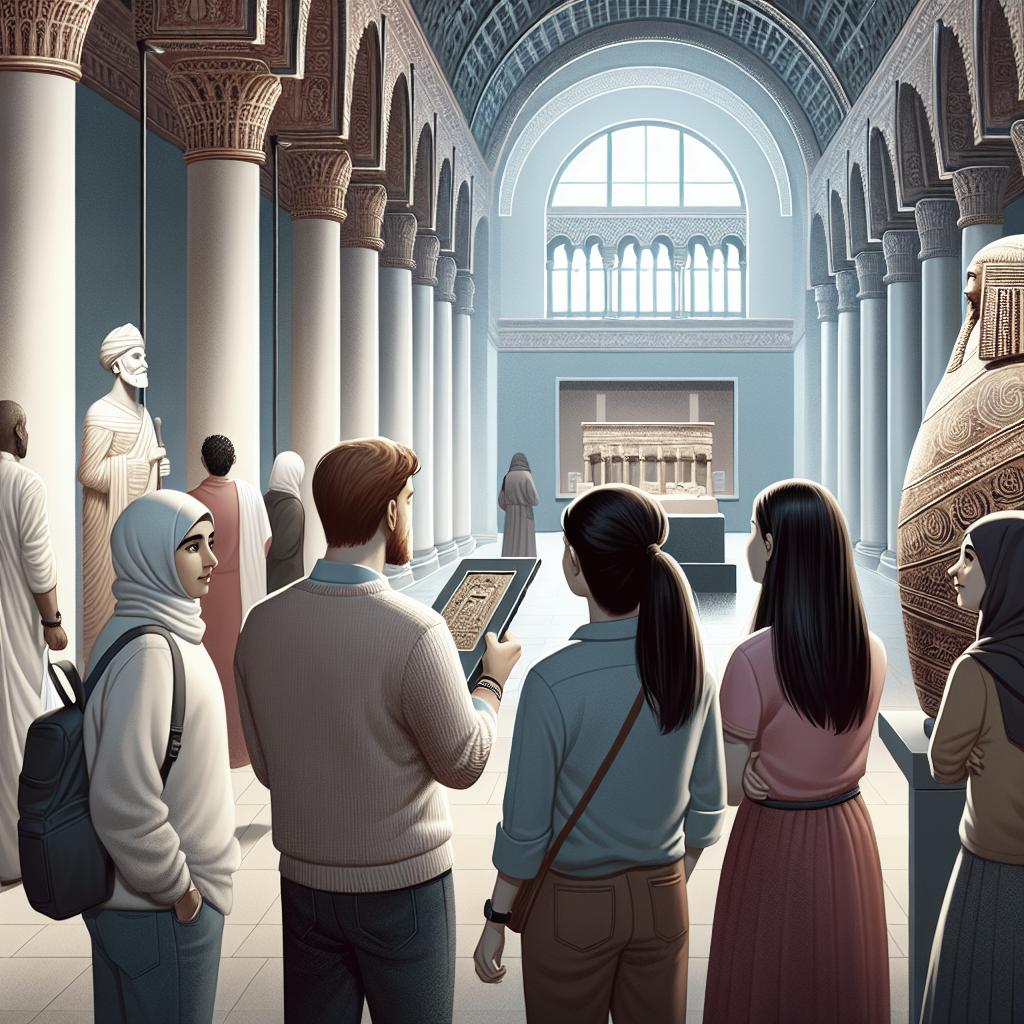
Interactive exhibits are educational displays designed to engage visitors in a hands-on, immersive experience. Unlike traditional exhibits where visitors passively observe, interactive exhibits encourage active participation, making learning more dynamic and memorable. These displays leverage technology, design, and content to facilitate a two-way interaction between the exhibit and the visitor. The goal is to create an environment where learning becomes an engaging and enjoyable process. Interactivity in exhibits can take various forms, including touch screens, augmented reality, motion sensors, and more. By integrating these elements, interactive exhibits can cater to different learning styles, ensure greater retention of information, and provide a more personalized experience. The ultimate aim is to transform passive viewers into active participants, enhancing their connection to the content.
What Makes an Interactive Exhibit a Success?
Successful interactive exhibits offer a seamless blend of technology, design, and storytelling. They are intuitive, meaning visitors can engage with them without needing external guidance. A winning interactive exhibit should also be educational, providing valuable information in an engaging format that appeals to a diverse audience. Another critical factor is accessibility. Successful interactive exhibits are designed to be inclusive, ensuring that people of all ages, abilities, and backgrounds can enjoy and benefit from them. This involves considering factors like visual and auditory enhancements, multilingual support, and physical accessibility. Additionally, the exhibit must be regularly maintained and updated to keep the technology running smoothly and the content relevant.
An 8-step concept – What are the ingredients of a successful interactive exhibit?
Creating a successful interactive exhibit involves several essential steps. Here’s an 8-step concept to guide you: 1. Identify Objectives – Clearly define what you want to achieve with the exhibit. Are you aiming to educate, entertain, or inspire? 2. Know Your Audience – Understand the preferences, behavior, and demographics of your target audience. 3. Conceptualize the Design – Design an engaging layout that encourages exploration and interaction. 4. Incorporate Technology – Choose the right technology that complements your narrative and enhances user interaction. 5. Develop Content – Create informative and engaging content that aligns with your objectives and audience. 6. User Testing – Conduct testing with real users to gather feedback and make necessary adjustments. 7. Implementation – Carefully install and configure all technological components. 8. Maintenance and Updates – Regularly update the content and maintain the technology to ensure a long-lasting, engaging experience. By following these steps, you’ll be on your way to creating an interactive exhibit that not only attracts visitors but also leaves a lasting impression.
Examples of Interactive Exhibits
Interactive exhibits come in various shapes and forms. Here are some of the most innovative and popular types:
Multi-Touch Tables
Multi-touch tables provide an ideal platform for collaborative learning and interaction. Users can gather around the table, each person controlling different elements on the screen through touch. These tables are often used in educational settings, allowing visitors to explore maps, timelines, and multimedia content simultaneously. These tables are highly versatile, capable of displaying a wide range of content from videos to 3D models. Their collaborative nature makes them popular in museums, science centers, and corporate showrooms, where they encourage group interaction and discussion.
Interactive Display Cases
Interactive display cases combine traditional display methods with interactive technology. Objects within these cases can trigger multimedia experiences when visitors interact with them, such as lighting effects, soundscapes, or augmented reality overlays. These cases are particularly effective in museums, where they can bring historical artifacts to life, offering deeper insights into their origins and significance. Interactive display cases provide a bridge between the physical object and digital content, enriching the visitor’s learning experience.
Interactive Projections
Interactive projections turn any surface into a dynamic, interactive display. By using motion sensors and projectors, these exhibits respond to visitor movements, creating an engaging and immersive environment. Such projections are often used in art installations and educational exhibits, where they can transform walls, floors, or even entire rooms into interactive canvases. The dynamic nature of the content ensures that each visitor’s experience is unique, making the exhibit more memorable.
Interactive Walls
Interactive walls are large-scale installations that invite visitors to engage with the content through touch or gesture. These walls are perfect for showcasing large amounts of information in an intuitive, user-friendly format. Often used in corporate environments and public spaces, interactive walls can present anything from historical timelines to complex data visualizations. Their visually striking design captures attention, making them effective tools for both education and entertainment.
Multi-touch Revolving Screen
A multi-touch revolving screen is an innovative blend of touch technology and kinetic movement. Visitors can rotate the screen to explore different aspects of the content, allowing for a more immersive and engaging experience. This type of exhibit is particularly effective in settings where you want to encourage prolonged engagement. Questions, quizzes, and interactive stories can be displayed, ensuring the visitor stays longer and engages more deeply with the content.
Virtual Reality
Virtual reality (VR) takes immersion to the next level, allowing visitors to step into entirely virtual environments. Through VR headsets, users can explore historical sites, dive underwater, or even travel to outer space, making the educational possibilities virtually limitless. VR exhibits are becoming increasingly popular in museums and educational institutions, providing experiences that are both captivating and informative. They offer a unique way to present inaccessible or non-existent environments, creating memorable learning experiences.
How We Know All This? Well, Planning and Realizing Interactive Exhibits Is Our Job …
Our expertise in planning and realizing interactive exhibits comes from years of experience and a deep understanding of both the technology and the audience. We work closely with our clients to develop innovative solutions that meet their specific needs, ensuring the perfect blend of interactivity and education. Our team consists of talented designers, technologists, and educators who collaborate to create exhibits that are not only cutting-edge but also meaningful. From the initial concept to the final installation, we focus on delivering high-quality, impactful experiences that resonate with visitors.
Related Posts
Interactive Foyer – guaranteed to impress your guests
Explore how an interactive foyer can create a memorable first impression for your visitors, using innovative technology and design.
9 advantages of a showroom for your B2B marketing
Learn about the benefits interactive showrooms can offer for B2B marketing, from enhancing customer engagement to providing valuable insights.
Van Gogh Immersive Experience Singapore
Dive into the Van Gogh Immersive Experience in Singapore, where cutting-edge technology brings the artist’s work to life in a whole new way.
Maintenance and Support for Interactive Exhibitions
Understand the importance of regular maintenance and support to keep your interactive exhibits running smoothly and ensuring a long-term positive visitor experience.
Planning showroom technology correctly: lighting, sound and air conditioning
Get tips on how to effectively plan the technology in your showroom, focusing on lighting, sound, and air conditioning to create the perfect environment.
Your Checklist for a Successful Rollout: How to Ensure Your Interactive Exhibition’s Smooth Installation
Use this checklist to ensure your interactive exhibition is installed smoothly and effectively, covering all essential aspects from planning to execution.
| Section | Key Points |
|---|---|
| Interactive Exhibit – Definition | Hands-on, immersive experiences using technology to engage visitors. |
| What Makes an Interactive Exhibit a Success? | Seamless technology, educational content, inclusivity, and regular maintenance. |
| An 8-step concept | Identify objectives, know your audience, design, incorporate technology, develop content, user testing, implementation, maintenance. |
| Examples of Interactive Exhibits | Multi-Touch Tables, Interactive Display Cases, Interactive Projections, Interactive Walls, Multi-touch Revolving Screen, Virtual Reality. |
| How We Know All This? | Experienced in planning and realizing interactive exhibits, blending technology and user-centric design. |
| Related Posts | Exploring related topics like showrooms, technological planning, and notable immersive exhibitions. |